IRS Wage Garnishment: What Naperville Taxpayers Need to Know
Naperville, United States – February 1, 2026 / Taxx Resolution Inc /
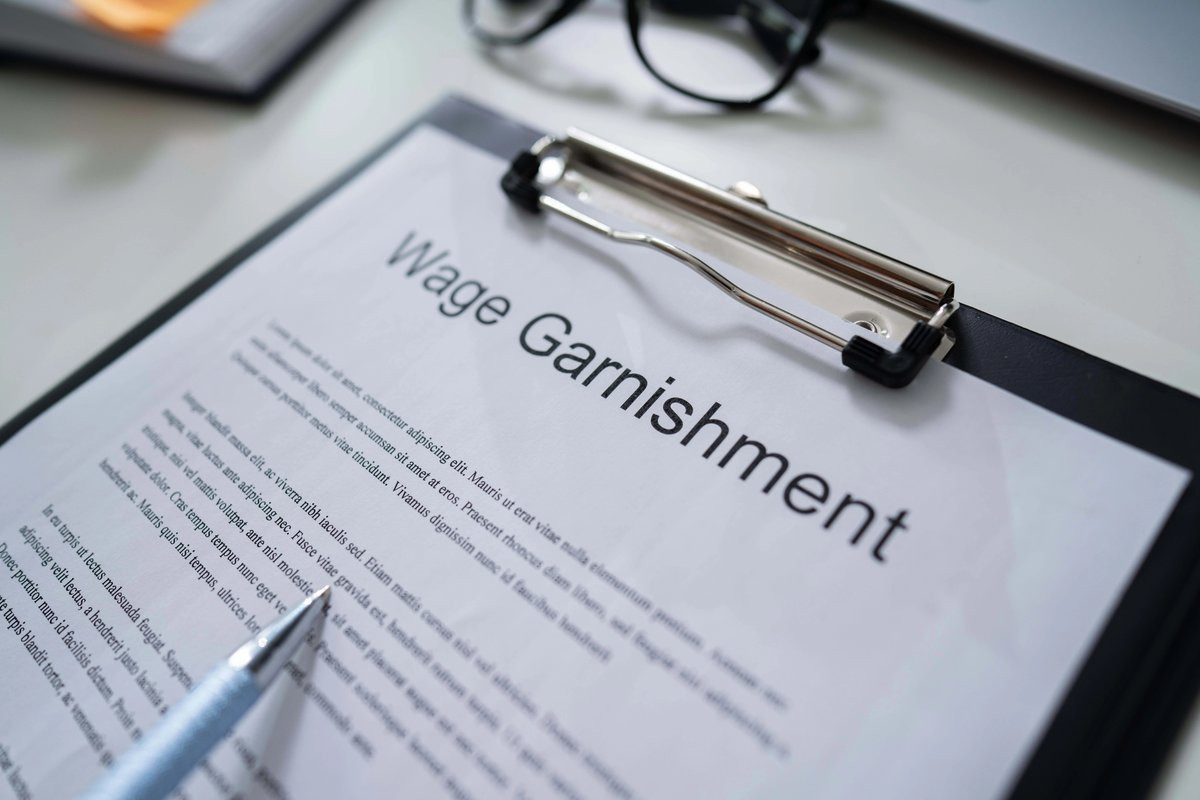
For residents of Naperville and the surrounding Chicago suburbs facing challenges with federal taxes, the term “wage garnishment” often evokes significant anxiety. Many envision the IRS contacting their employer, seizing a substantial portion of their paycheck, and leaving them with little more than enough for instant noodles.
However, the actual process is more structured, which is reassuring. The IRS cannot simply enact wage garnishment without adhering to a series of notifications. There are also methods available to halt, lessen, or revoke a wage levy, even after it has commenced, provided that prompt action is taken and the appropriate resolution is pursued.
This guide outlines the mechanics of IRS wage garnishment, the typical notice timeline that precedes it, the obligations of your employer, the steps you can take to prevent it, and the importance of proactive measures for taxpayers in Naperville, DuPage County, and the broader Chicago metropolitan area.
IRS Wage Garnishment Compared to Illinois Wage Garnishment
In common vernacular, the phrase “wage garnishment” is often used interchangeably to describe both state creditor garnishments and actions taken by the IRS. For federal tax obligations, the correct terminology is typically a wage levy. While it functions similarly to wage garnishment, the applicable processes and regulations are governed by federal law rather than Illinois state court regulations.
This distinction is significant because the IRS does not need to initiate a lawsuit in an Illinois court to garnish wages for federal tax debts. Instead, it employs administrative levy authority following the requisite notifications and an opportunity for appeal.
When Does the IRS Begin Garnishing Wages in Illinois?
Typically, the IRS issues several notices before proceeding with wage levies. If a taxpayer responds during the notice phase, it is often possible to avert wage garnishment entirely by establishing an installment agreement, securing a protected status for the account, or filing an appeal.
Below is the standard collection “runway” leading up to the point where wage garnishment becomes a genuine concern.
Notice Timeline and Garnishment Risk Table
| Notice or Stage | Meaning | Garnishment Risk |
|---|---|---|
| CP14 | Initial notice of balance due following IRS assessment | None if addressed quickly |
| CP501 / CP503 | Reminder notices indicating increasing urgency | Low but increasing |
| CP504 | Notice of Intent to Levy, warning of escalation | Moderate, prepare to take action |
| LT11 / Letter 1058 | Final notice of intent to levy, 30-day response period | High if no response |
| Post LT11 with no action | IRS may issue a wage levy to your employer | Active garnishment likely |
The most critical takeaway for taxpayers in Naperville is the following: wage garnishment is generally preventable until the LT11 stage is reached. Once a taxpayer has passed LT11 without taking action, the IRS has significantly more latitude to enforce collection.
What Occurs When the IRS Implements a Wage Levy
<pUpon the issuance of a wage levy by the IRS, a levy notice is sent to your employer. Your employer is obligated to begin withholding a specified amount according to IRS regulations, and this withheld amount is forwarded to the IRS. This process continues with each pay period until the levy is lifted or the debt is settled.
A wage levy differs from a bank levy in that a bank levy typically occurs once and seizes whatever funds are in the account after a holding period. In contrast, a wage levy is an ongoing process, which can be particularly disruptive for families trying to manage rent or mortgage payments in the Chicago suburbs.
Your Employer’s Responsibilities
Employers typically do not have the discretion to negotiate in these matters. They are required to follow the IRS’s directives, as failing to comply with a levy may expose them to liability. For most individuals in Naperville, the employer’s role in this process is largely administrative, but it can still be a source of stress due to its public nature.
For those concerned about privacy, it is crucial to take action prior to the issuance of the levy. Once the levy is served, your employer becomes involved in the process.
What Portion of Your Paycheck Can the IRS Seize?
The IRS does not seize “everything,” but it can take a significant amount. The IRS establishes an exempt amount based on filing status and dependents, following a standard exemption calculation. Any income exceeding that exempt amount may be subject to seizure.
This means that higher earners in Naperville and the surrounding areas may experience a much larger portion of their income withheld than anticipated, particularly if their exempt amount is relatively small compared to their paycheck.
The key takeaway is that IRS wage levies are often more aggressive than many individuals realize, and they do not function like typical Illinois creditor garnishments.
How to Prevent an IRS Wage Garnishment Before It Occurs
If you are still within the CP14, CP501, CP503, or CP504 stages, you typically have options available to halt further escalation.
Option 1: Installment Agreement
An installment agreement can frequently prevent levy actions, provided that you maintain compliance and the agreement is approved and active. For many taxpayers, this serves as the quickest method to “stop the bleeding” when garnishment is imminent.
Option 2: Currently Not Collectible Status
If making any payments would hinder your ability to cover basic living expenses, you may qualify for Currently Not Collectible status. While this does not eliminate the debt, it can halt active collection efforts, including wage levies, while your financial situation is reviewed.
Option 3: Offer in Compromise
If you cannot pay the full amount owed and your financial situation justifies it, an Offer in Compromise may allow you to settle the debt for less than the total owed. This option requires extensive documentation and may not be the quickest solution in an urgent situation, but it can be a viable long-term resolution for the appropriate circumstances.
Option 4: Collection Due Process Appeal After LT11
If you have received an LT11 or Letter 1058, you generally have a 30-day window to request a Collection Due Process hearing. A timely request typically pauses any levy action while the appeal is under consideration. This timeframe represents one of the most significant legal protections available to taxpayers within the wage garnishment timeline.
How to Halt an IRS Wage Garnishment After It Has Begun
If your employer is already withholding funds, it may still be possible to have the levy released. Timing is crucial, and the IRS will generally require a clear justification or resolution plan.
Here are the most common methods for releasing wage levies.
Wage Levy Release Options Table
| Strategy | Optimal Conditions | IRS Requirements |
|---|---|---|
| Enter or reinstate an installment agreement | You can afford a monthly payment | Proposed payment terms, proof of compliance |
| Demonstrate economic hardship | The levy obstructs essential living expenses | Documentation of income and expenses |
| Resolve the liability | You can pay or settle the debt | Proof of payment, accepted settlement terms |
| Appeal rights still open | You are within the LT11 30-day window | Timely filed CDP request |
| Correct an error | The levy is based on an incorrect assessment or identity issue | Records, transcripts, documentation of the error |
Many taxpayers in Naperville mistakenly believe that once garnishment begins, there is no recourse. This is not the case. While it does indicate that the situation has escalated to a more serious level, decisive action can lead to regular releases when the appropriate documentation is provided.
The Importance of Acting Promptly in Naperville and the Chicago Metro
In the Chicago suburbs, the cost of living is a significant factor. A wage levy can quickly disrupt rent, mortgage obligations, childcare costs, and car payments. Delaying action often results in more expensive resolutions due to accumulating penalties and interest, and the IRS tends to become less accommodating once a case has entered enforcement.
If you receive a CP504, LT11, or any notice indicating “intent to levy,” it is crucial to treat it as a time-sensitive issue rather than something to be addressed later.
Common Questions Regarding IRS Wage Garnishment in Illinois
Can the IRS garnish wages without prior notification?
The IRS is required to provide notice and an opportunity to respond before implementing a levy. In practice, most wage levies follow a series of notifications, culminating in a final notice such as LT11 or Letter 1058.
Will the IRS contact my employer directly?
Yes, if a wage levy is issued. The levy is served to the employer, who is then obligated to comply.
Does a payment plan prevent wage garnishment?
Generally, yes, if the plan is accepted and you remain compliant. If a levy is already in effect, the IRS may still lift it once an agreement is confirmed, but it should not be assumed that this will occur automatically.
What if I cannot afford any payments at this time?
You may be eligible for a hardship-based status such as Currently Not Collectible, depending on your financial circumstances.
Consult Taxx Resolution in Naperville Before Garnishment Occurs
If you reside in Naperville, DuPage County, or the greater Chicago metropolitan area and are receiving CP504, LT11, or other levy notifications, Taxx Resolution can assist in reviewing your notices, examining your IRS transcripts, and outlining the quickest path to prevent wage garnishment. A prompt consultation could be the key to transitioning from a manageable monthly payment plan to avoiding an ongoing levy that drains your paycheck.

Contact Information:
Taxx Resolution Inc
3612 Lawrence Dr
Naperville, Illinois 60564
United States
Amit Maheshwari
13312157663
https://taxxresolution.com/