New advisory board brings together leaders in neuroscience, traumatic brain injury, and neurovascular biology to guide brain repair efforts
HOUSTON, TX, UNITED STATES, February 9, 2026 /EINPresswire.com/ — Stream Biomedical, a clinical-stage biotechnology company developing novel therapies for acute and chronic neurodegenerative diseases, today announced the formation of its Scientific Advisory Board (SAB). The board brings together leading experts in neuroscience, traumatic brain injury (TBI), and neurovascular biology to help guide the company’s scientific direction as it advances programs focused on brain repair and recovery.
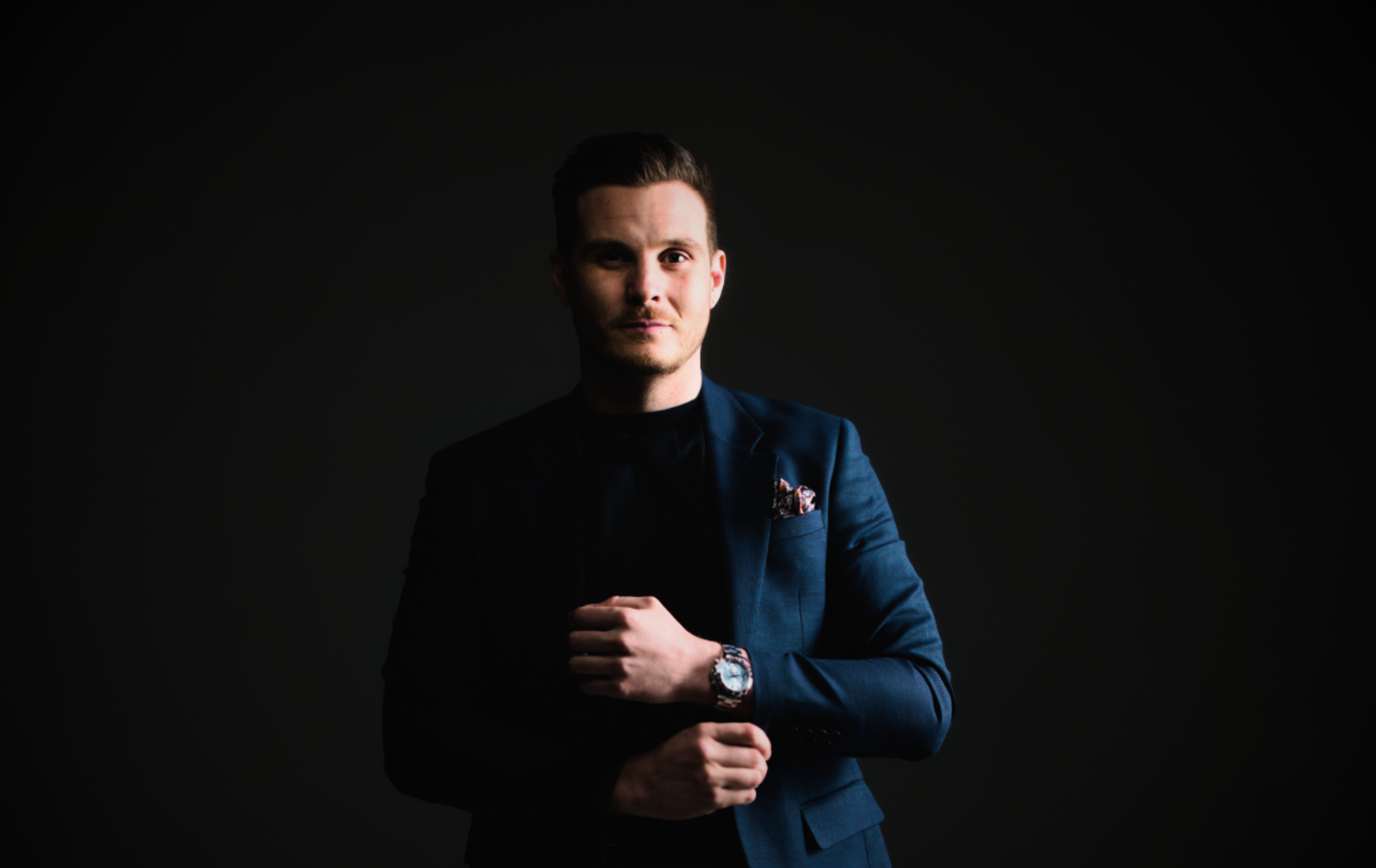
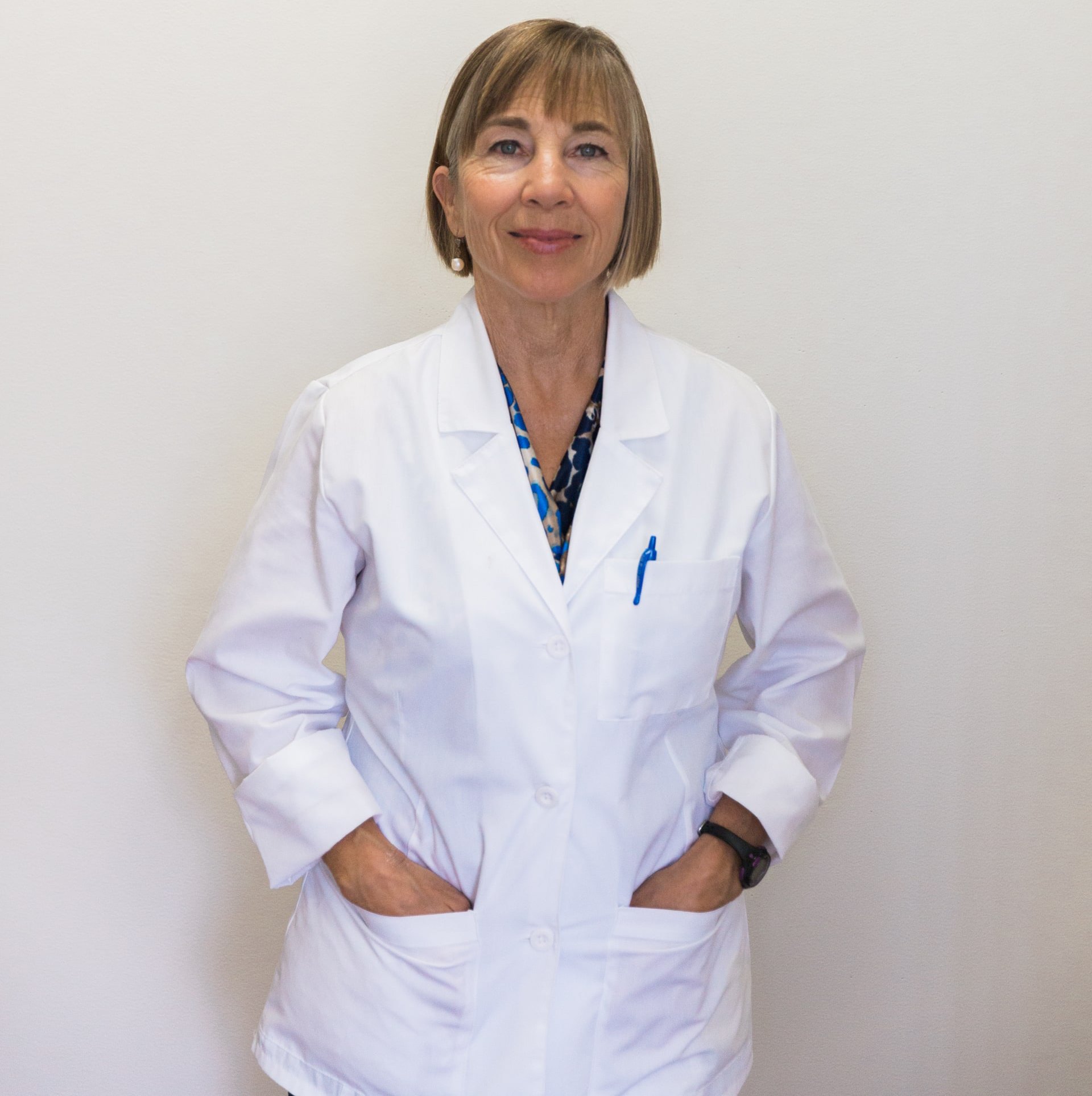
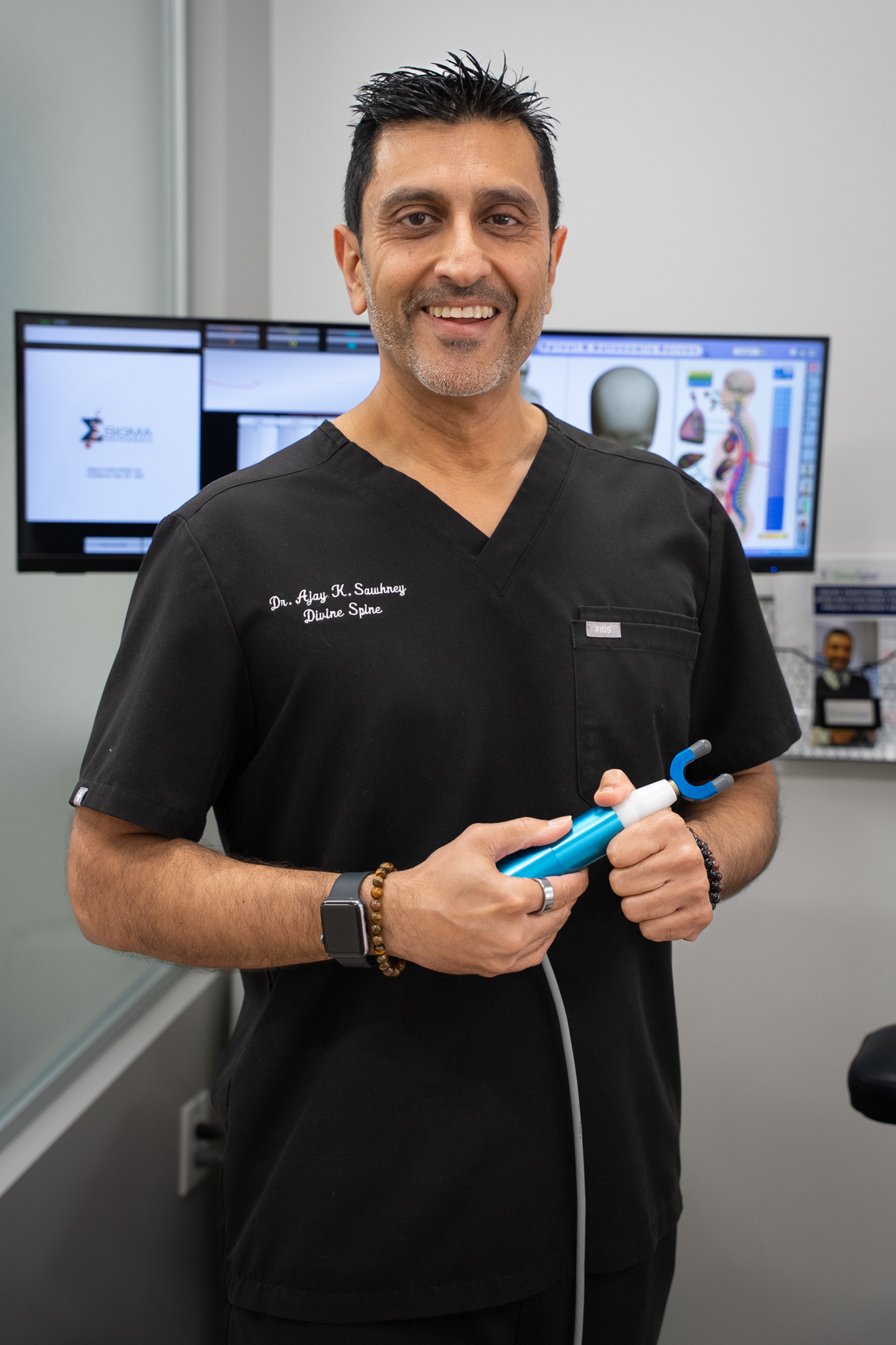
The Scientific Advisory Board includes Lennart Mucke, MD; Ramon Diaz-Arrastia, MD, PhD; and Andrew Shih, PhD. Collectively, the group brings deep experience across basic neuroscience research, clinical neurology, and translational science.
“Stream Biomedical is tackling one of the most challenging and underserved areas in medicine,” said Lennart Mucke, MD, founding director of the Gladstone Institute of Neurological Disease and Distinguished Professor of Neuroscience at UC San Francisco. “The company’s focus on promoting repair in the injured brain is both scientifically compelling and urgently needed, and I look forward to contributing to its progress.”
Dr. Mucke has led disease-focused neuroscience research and training for more than three decades and holds joint appointments at UC San Francisco.
Ramon Diaz-Arrastia, MD, PhD, the John McCrae Dickson, MD, Presidential Professor of Neurology at the Perelman School of Medicine at the University of Pennsylvania, brings extensive expertise in traumatic brain injury and neurodegenerative disease. He is a Zenith Fellow of the Alzheimer’s Association and serves as a member of the Executive Committee and Biospecimens Core Leader of TRACK-TBI, one of the world’s largest multi-institutional TBI research initiatives.
“Despite the enormous burden of brain injury, there are still no therapies that directly promote healing,” said Dr. Diaz-Arrastia. “Investing in finding treatments that reverse the impact of brain injuries represents an important step toward addressing that gap.”
The board also includes Andrew Shih, PhD, Principal Investigator at Seattle Children’s Research Institute’s Center for Developmental Biology and Regenerative Medicine and the Norcliffe Foundation Center for Integrative Brain Research. Dr. Shih holds joint faculty appointments at the University of Washington and is widely recognized for his work developing optical imaging techniques to study neurovascular function in the living brain.
“Restoring neurovascular health is critical to brain repair,” said Dr. Shih. “Stream Biomedical’s work sits at the intersection of vascular biology and neuroscience, and I see tremendous potential in applying these insights to improve outcomes after brain injury.”
The Scientific Advisory Board will work closely with Stream Biomedical’s leadership and research teams to provide guidance on scientific strategy, translational development, and emerging research opportunities.
# # #
About Stream Biomedical
Stream Biomedical is a clinical-stage biotechnology company developing novel therapies to promote healing and functional recovery in the injured brain. The company’s lead program, LG3, is a first-in-class protein designed to activate the brain’s natural repair mechanisms and restore function after injury or disease, including traumatic brain injury and CTE, Alzheimer’s disease, and stroke. Learn more at www.streambiomedical.com
Media Contacts
Shannon Meirzon
Pyxis Communications
shannon@pyxiscommunications.com
Heather Beaudoin
Heather@pyxiscommunications.com
Pyxis Communications
Heather@pyxiscommunications.com
H. Davis Adkisson
Stream Biomedical, Inc.
haiv@streambiomed.com
Visit us on social media:
LinkedIn
Legal Disclaimer:
EIN Presswire provides this news content “as is” without warranty of any kind. We do not accept any responsibility or liability
for the accuracy, content, images, videos, licenses, completeness, legality, or reliability of the information contained in this
article. If you have any complaints or copyright issues related to this article, kindly contact the author above.