Understanding Testosterone Replacement Therapy and Its Alternatives
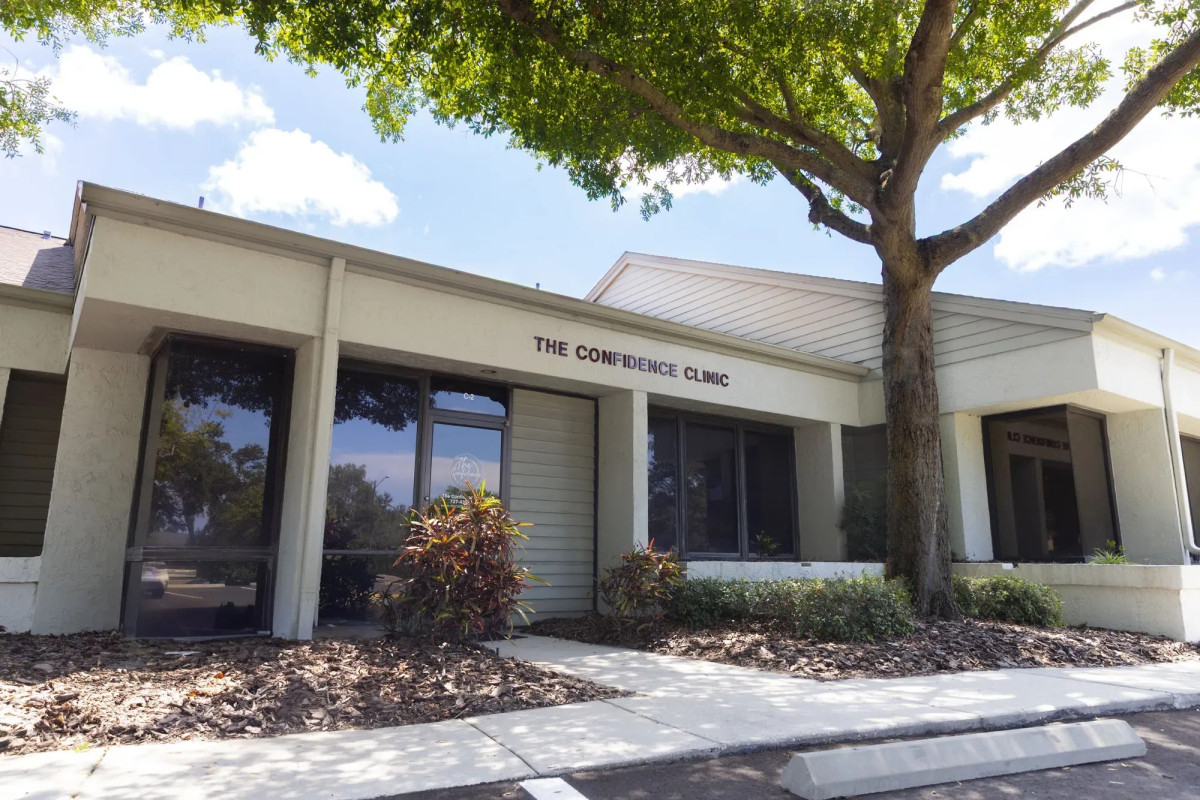
Clearwater, United States – January 5, 2026 / The Confidence Clinic /
Clearwater-based physicians emphasize evidence-based care for men experiencing symptoms of low testosterone
As conversations around men’s hormone health continue to gain momentum, The Confidence Clinic in Clearwater, Florida is helping local men better understand the differences between Testosterone Replacement Therapy (TRT) and non-medical approaches often promoted as alternatives for treating low testosterone.
Low testosterone, also known as hypogonadism, can affect energy, muscle mass, mental clarity, sexual health, and overall quality of life. While lifestyle improvements remain an important foundation for health, clinicians at The Confidence Clinic note that lifestyle changes alone may not adequately address true hormonal deficiencies when they are clinically present.
Understanding Low Testosterone and Proper Diagnosis
Testosterone levels naturally decline with age, but not all symptoms attributed to aging are normal or inevitable. According to physicians at The Confidence Clinic, diagnosing low testosterone requires both clinical symptoms and confirmatory laboratory testing, not assumptions based on age alone.
Common symptoms include persistent fatigue, difficulty building muscle, increased body fat, low libido, mood changes, and decreased motivation. The Endocrine Society recommends confirming low testosterone with consistent blood testing alongside symptom evaluation before initiating treatment.¹
“Many men we see in Clearwater have already optimized diet, exercise, and sleep, yet still don’t feel like themselves,” clinicians explain. “That’s often the point where further medical evaluation becomes important.”
Testosterone Replacement Therapy vs Lifestyle-Only Approaches
Healthy lifestyle habits—such as resistance training, adequate sleep, nutrition, and stress management—are encouraged for all patients at The Confidence Clinic. These strategies can support overall wellness and may modestly influence testosterone levels in some men.
However, clinical evidence suggests that lifestyle changes alone are often insufficient for men with confirmed testosterone deficiency. Research published in The Journal of Clinical Endocrinology & Metabolism shows that while weight loss and exercise may improve testosterone levels in select individuals, the increases are typically modest and variable, particularly in men with established hypogonadism.²
“Lifestyle optimization is foundational,” physicians note, “but it does not replace Testosterone Replacement Therapy when the body can no longer produce adequate hormone levels on its own.”
TRT vs Over-the-Counter Testosterone Boosters
Over-the-counter supplements marketed as testosterone boosters remain popular, despite limited clinical evidence supporting their effectiveness. These products are not regulated to the same standards as prescription therapies and often fail to produce meaningful or sustained increases in testosterone levels.
The American Urological Association (AUA) advises that non-prescription supplements should not be considered substitutes for medically supervised testosterone therapy when treatment is clinically indicated.³
In contrast, Testosterone Replacement Therapy at The Confidence Clinic is physician-directed and based on comprehensive lab testing, individualized dosing, and ongoing monitoring to ensure safety and effectiveness.
Safety, Monitoring, and Modern TRT Protocols
Concerns about the safety of TRT—particularly related to cardiovascular health—have been a topic of debate for years. More recent, high-quality research has helped clarify these concerns.
The TRAVERSE Trial, a large randomized controlled study published in The New England Journal of Medicine in 2023, found no significant increase in major adverse cardiovascular events among men receiving testosterone therapy when appropriately prescribed and monitored.⁴
At The Confidence Clinic, modern TRT protocols emphasize:
-
Individualized treatment plans
-
Routine laboratory monitoring
-
Surveillance of hematocrit, lipid levels, and prostate-specific antigen (PSA)
-
Ongoing physician oversight and shared decision-making
“TRT today is very different from outdated, one-size-fits-all approaches,” clinicians explain. “Our focus is safety, precision, and long-term health.”
A Patient-Centered Approach in Clearwater
Physicians at The Confidence Clinic stress that Testosterone Replacement Therapy is not designed for performance enhancement or bodybuilding. Instead, it is a therapeutic option intended to restore testosterone levels to a healthy physiologic range in men with documented deficiency.
“Our goal is to help men feel better, think clearer, and function at a higher level,” one provider notes. “That means improving quality of life while prioritizing long-term health and safety.”
Moving Forward with Evidence-Based Men’s Hormone Care
As men in Clearwater and throughout the Tampa Bay area seek reliable information about hormone health, clinicians at The Confidence Clinic encourage evaluation by qualified medical professionals rather than reliance on online claims or supplements.
Men experiencing persistent symptoms of low testosterone are encouraged to pursue comprehensive evaluation to determine whether Testosterone Replacement Therapy, lifestyle optimization, or a combination of both is appropriate for their individual needs.
References
-
Endocrine Society Clinical Practice Guidelines: Testosterone Therapy in Men with Hypogonadism.
-
Journal of Clinical Endocrinology & Metabolism. Effects of Lifestyle Intervention on Testosterone Levels.
-
American Urological Association (AUA) Guidelines on Testosterone Deficiency.
-
New England Journal of Medicine. Cardiovascular Safety of Testosterone Replacement Therapy — TRAVERSE Trial, 2023.

Contact Information:
The Confidence Clinic
1831 N Belcher Rd
Clearwater, Florida 33765
United States
Mo Cale
+1 (727)435-7394
https://www.myconfidenceclinic.com